
How to Properly Close Your Cottage This Winter: A Step-by-Step Guide
Leaving your cottage unattended through a Muskoka-Parry Sound winter can be risky. Frozen pipes, wildlife visitors, and storm damage can cost thousands if you’re not prepared. The good news? With a little planning, you can protect your investment, save money, and return in spring to a cottage that’s ready to enjoy.
 Why Winterizing Matters
For most seasonal cottages, closing up isn’t optional—it’s essential. Unlike year-round homes, many cottages aren’t built to handle -30°C temperatures or months of heavy snow without supervision. Taking the time now prevents:
-
 Burst pipes & water damage
 -
 Rodent or wildlife infestations
 -
 Roof leaks & structural issues
 -
 Insurance claims and coverage disputes
Think of it as “tucking in” your cottage until the warmer days return.
 Step 1: Shut Down Plumbing
-
Turn off the main water supply
-
Drain all pipes by opening taps and flushing toilets
-
Add non-toxic antifreeze to toilets, sinks, and drains
-
Empty hot water tanks and disconnect hoses
 Pro tip: A frozen line can cost thousands—hire a local plumber if needed.
 Step 2: Protect from the Elements
-
Clear gutters to prevent ice damming
-
Check roof shingles and flashing
-
Secure shutters or exterior coverings
-
Store or cover outdoor furniture and BBQs
 Step 3: Keep Wildlife Out
-
Seal gaps along siding, decks, and vents
-
Remove all food from cupboards and fridges
-
Place traps or deterrents where needed
-
Store bedding and linens in airtight bins
 Step 4: Safety & Security
-
Unplug non-essential appliances
-
Leave interior doors open for airflow
-
Lower blinds or close curtains
-
Set up exterior motion-sensor lighting
-
Arrange periodic cottage check-ins
 Step 5: Insurance & Documentation
-
Notify your insurer the property will be vacant
-
Update or save an inventory of belongings
-
Share emergency contacts with a neighbour or caretaker
Actionable Takeaways
-
 Winterize plumbing thoroughly
 -
Secure the structure from snow and storms
-
Rodent-proof the interior
-
Plan for occasional check-ins
 Personal Insight
After years of working with cottage owners and buyers, we’ve seen firsthand how a small oversight in the fall can turn into a costly spring disaster. Proper closing protects not only your property but also its resale value.
 Conclusion
Closing your cottage may not be glamorous, but it’s one of the most important things you can do as an owner.
 What’s your go-to winterizing tip? Drop it in the comments—I’d love to hear how others prepare!

 Think of the inspection report as your insight guide: a roadmap for repairs, negotiations, or peace of mind.
 Message us today to schedule a no-pressure consultation and get your property plans rolling. Together, we’ll make sure you’re fully informed and ready to— Be where you want to be!
 Lisa Selvage | Muskoka Realtor® | Lifestyle Property Expert | Let’s connect!


 Who keeps the home?


 Know Your Numbers
 Decide Whether to Sell or Stay
 Requires agreement on timing, price, and showing logistics
 Pro Insight: In a balanced or buyer’s market, selling sooner can help avoid carrying costs and reduce stress.
 Timing is Everything
 Work with a Realtor who monitors your local market daily (like Muskoka’s waterfront trends).
  Ask for data: average days on market, recent comparable sales, and seasonal patterns.
 Build Your Dream Team
 Your Realtor is more than a salesperson. They’re your strategist, communicator, and calm voice when emotions run high.
 Plan Your Next Move

 Remember my motto:
  What’s your biggest concern about selling or buying during a divorce? Share your thoughts in the comments or DM me for a private consultation.

 On
On  Improved Affordability
 Be where you want to be.



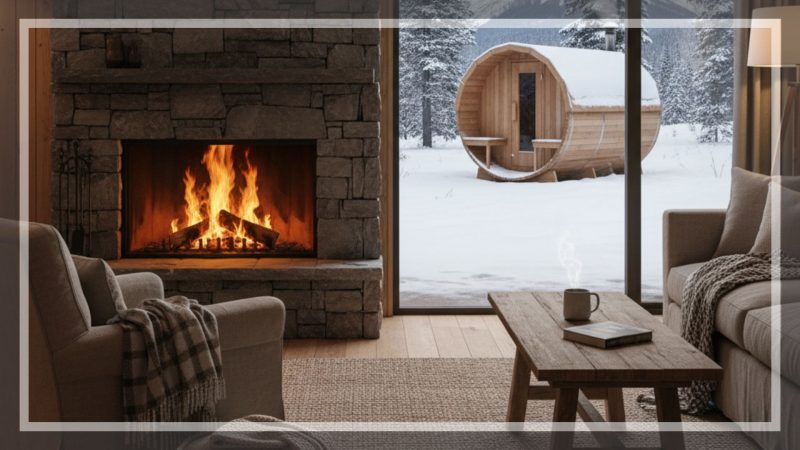
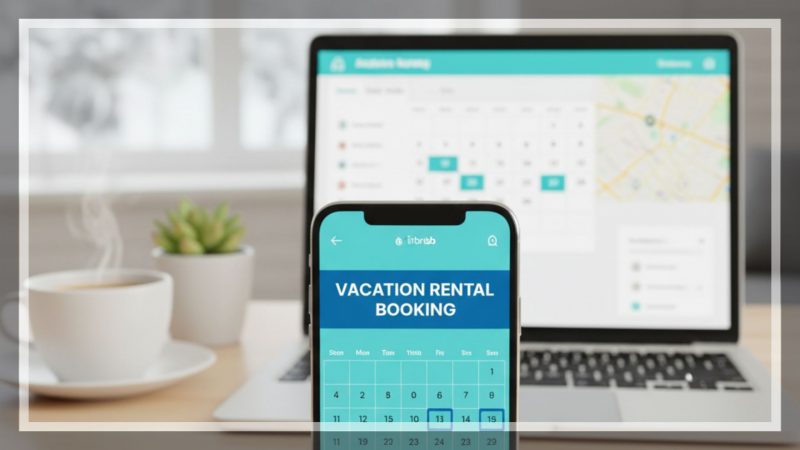
 Tip: Swap out those sunny-dock photos for cozy winter shots—think steaming mugs by the fire and hot-tub sessions under the stars.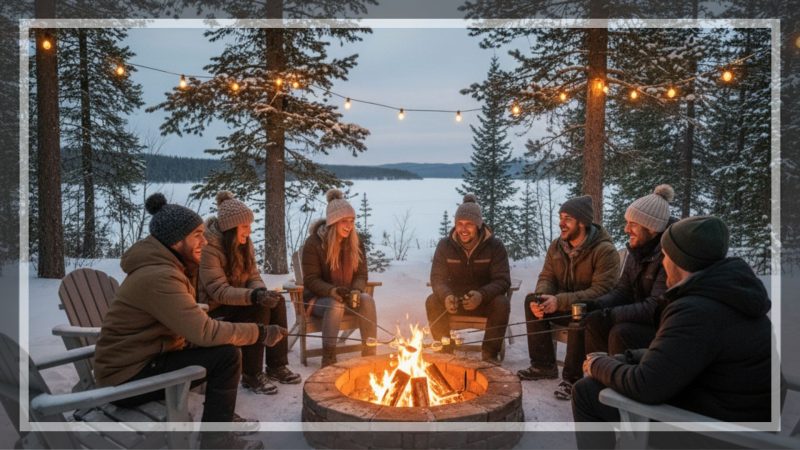

 Build a Repeat-Guest Funnel
 Think Multi-Use Income


 Ready to talk about buying, selling, or investing in Muskoka? Let’s connect.
 Balance is key: shared spaces should feel neutral and welcoming, not like one person’s old home with a few add-ons.

 Blended families thrive when communication is consistent. Post rules on a chalkboard or family calendar for visibility.


 in the comments and I’ll send it over).
 Be where you want to be.

 The Amenities Muskoka’s Elite Buyers Are Now Expecting
 1. Helipads: Because Traffic Is Optional
 3. Infinity Pools That Blur the Line Between Lake and Sky
 Some are even heated year-round, complete with:
 “It’s Not Just a Cottage Anymore…”
 But Is It Worth the Price Tag?
.png)